
From the Blog
What a Home Inspection Costs in San Antonio (and What the 86% Stat Means)
A standard home inspection in San Antonio runs about $350 to $430 for a typical home under 2,500 square feet, according to multiple 2026 local sources, and roughly 86% of inspections nationwide turn up at least one issue that needs fixing, with buyers who negotiate saving about $14,000 on average, per national surveys cited by AmeriSave and Angi. That makes the inspection one of the highest-return purchases in the entire home-buying process: a few hundred dollars that routinely pays for itself a dozen times over. Here is what it costs, what it catches, and how to use the report without turning every finding into a fight.
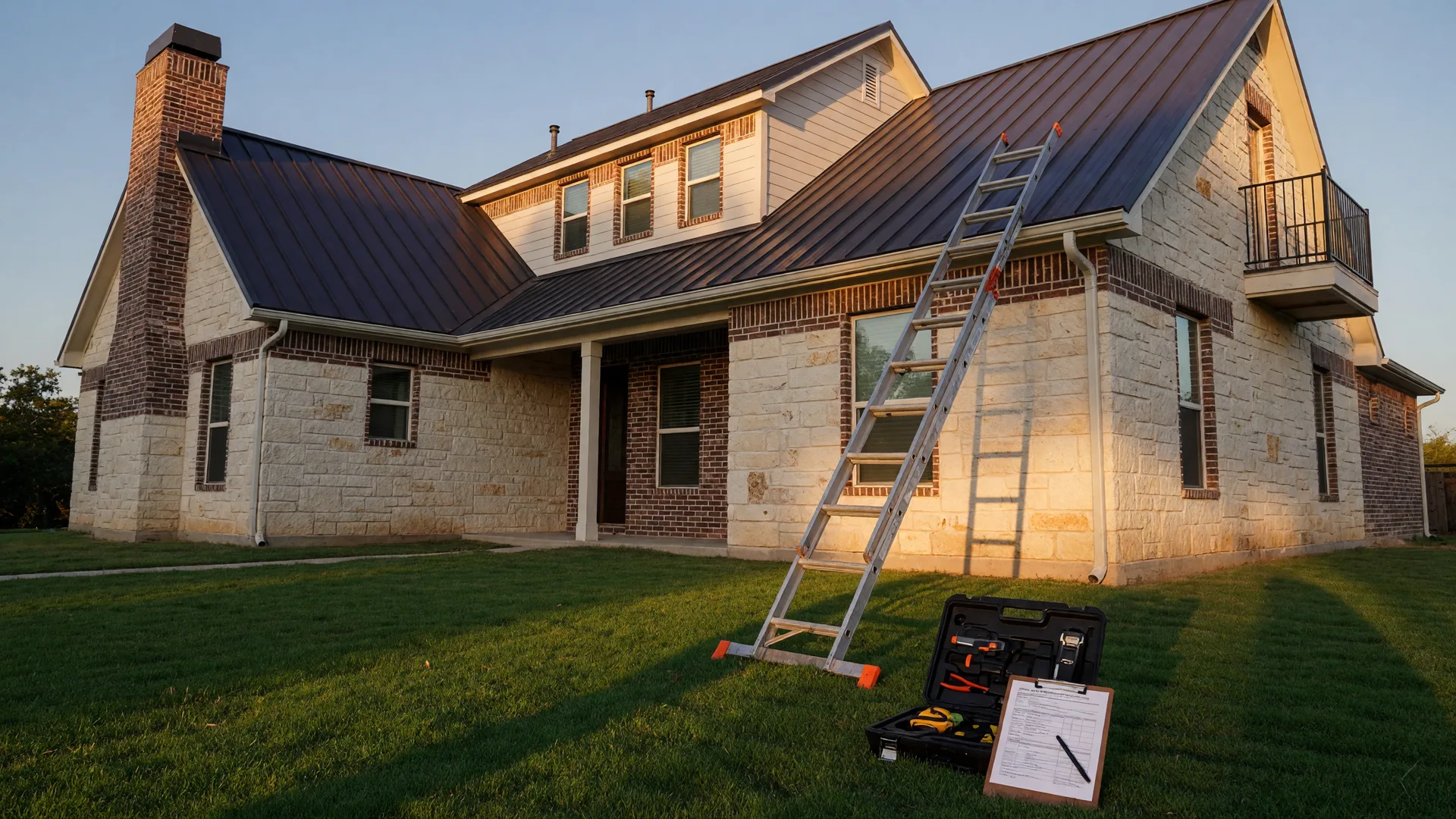
A standard home inspection in San Antonio runs about $350 to $430 for a typical home under 2,500 square feet, according to multiple 2026 local sources, and roughly 86% of inspections nationwide turn up at least one issue that needs fixing, with buyers who negotiate saving about $14,000 on average, per national surveys cited by AmeriSave and Angi. That makes the inspection one of the highest-return purchases in the entire home-buying process: a few hundred dollars that routinely pays for itself a dozen times over. Here is what it costs, what it catches, and how to use the report without turning every finding into a fight.
The San Antonio price, by the numbers
2026 cost guides and local inspection companies put a standard single-family inspection at about $350 to $430, with a typical published range of $325 to $575 depending on square footage, roof pitch, and access, and larger homes crossing $490 to $620 as size grows about $50 to $100 per additional 1,000 square feet. The add-ons most San Antonio buyers order sit on top: a termite or WDI report at about $75 to $150, a sewer scope for older homes, and pool, mold, or radon checks where the specific property calls for them. Budget the base fee plus the add-ons you expect, and the total still lands well below the cost of one unplanned repair.
What the 86% actually means
A Porch survey of recent homebuyers found about 86% of inspections turned up at least one issue needing a fix, and the most common findings cluster around the roof (about 19.7%), electrical systems (about 18.7%), and windows (about 18.4%). Read that the right way: most findings are maintenance-grade, a failed window seal, a tired outlet, a water heater near the end of its life, not reasons to walk away. The whole point of the inspection is to learn about those items while the seller still owns the house instead of after closing, when they become entirely yours.
The negotiation math
The national data explains why the fee is worth it before you even find a serious defect: about 46% of buyers negotiated a lower price after inspection, with reported savings averaging about $14,000, and about 83% of recent buyers asked for at least one concession during the inspection period, per survey data cited by AmeriSave, Angi, and ARC Home Inspections. San Antonio's balanced 2026 market, a little over five months of inventory and homes selling at roughly 93% of list, means repair requests land on an open door more often than they did a few years ago. The version that works: lead with safety and structural items, get a real repair quote before you ask, and ask for repairs or credits, not both for the same item.
How to read the report without overreaching
- Sort into three buckets: safety and structural issues first, major systems (roof, HVAC, water heater, foundation) second, cosmetics last. Nobody expects the seller to fund cosmetic updates.
- Get two quotes for any five-figure finding before you negotiate; a written number beats a feeling at the table.
- Understand what age means: a 25-year-old roof is old, not broken. Ask for its remaining useful life, then decide what is fair.
- Turn the small findings into your first-year maintenance list; seal failures, outlets, and filters become your home budget, not the seller's problem.
- Treat genuine safety issues as non-negotiable: smoke detector gaps, open junction boxes, and missing handrails are the items to ask for outright.
When the add-ons are worth it
The base inspection covers the visible home; the add-ons cover what is hidden. The termite or WDI report is standard practice in San Antonio and often required by mortgage lenders. A sewer scope is cheap insurance on homes built before the 1990s, where a $150 camera can expose a five-figure line replacement. Hill Country properties with wells or septic systems deserve the specialized inspections for those systems, and a pool needs its own check in the same way a roof does. Ask your agent to help match the add-ons to the specific home, because the right $150 add-on is the one that saves you five figures.
Frequently asked questions
How much does a home inspection cost in San Antonio?
Most 2026 local sources put a standard inspection at about $350 to $430 for a home under about 2,500 square feet, with a typical range of $325 to $575 and larger homes running higher. Termite or WDI reports add about $75 to $150, and sewer scopes, pools, mold, and radon checks cost extra.
Should I negotiate after the home inspection?
Most buyers do: about 83% of recent buyers asked for at least one concession and about 46% negotiated a lower price, with reported savings averaging about $14,000, per national surveys. Lead with safety and structural items, back your requests with repair quotes, and keep expectations realistic for the home's age and condition.
Do sellers have to fix everything the inspection finds?
No. The inspection tells you about the home and the negotiation decides who fixes what. Texas sellers must disclose known defects, but normal deferred maintenance on an older home is negotiated rather than automatically repaired. Categorize findings by safety, systems, and cosmetics, and let your agent guide what is fair to ask.

Written by Phyllis Domingo
REALTOR® · TX License 745926 · 100+ homes sold · Helping families move well in San Antonio and the Hill Country since long before the hard part became normal.
Have a question about this topic?
Every family's situation is different. Send me a note and I will respond personally, usually within a business day.